Skip to content

Research

From microengineering and nanoscale materials to space propulsion and active devices, our research spans the physics, fabrication, and integration of new technologies for space and beyond.

Propulsion

Solar Sails
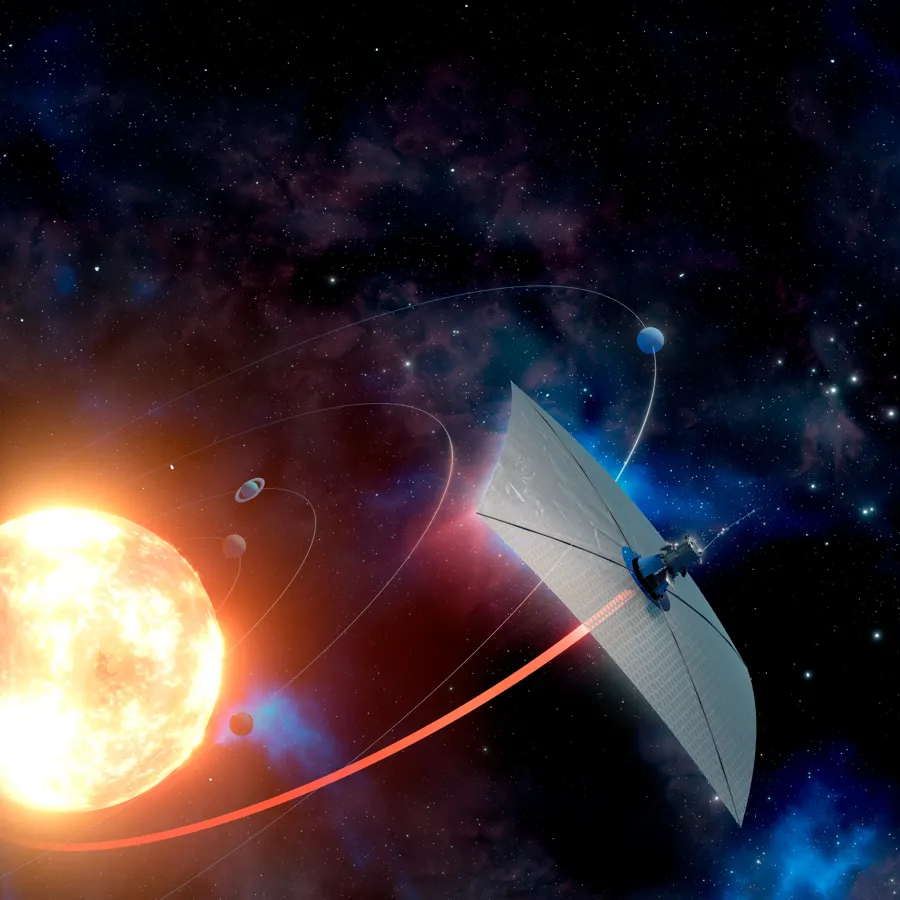
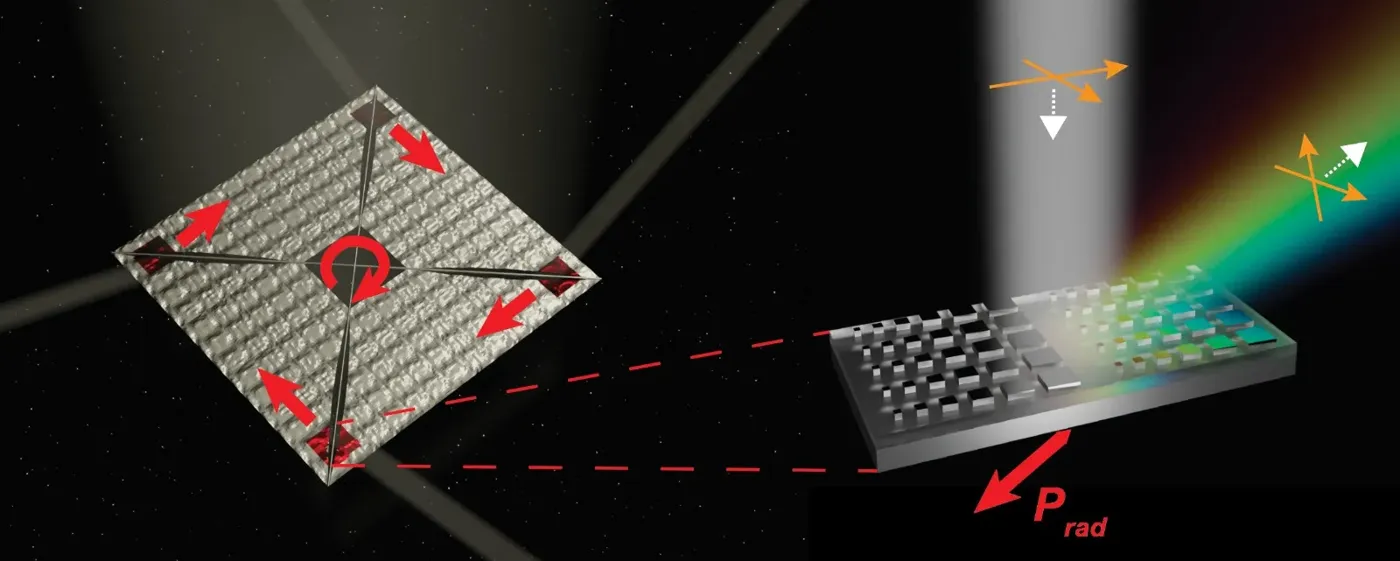
Solar sail metasurface conceptSolar sail schematic

Solar sails have emerged over the past decade as a promising and innovative method of space propulsion. By using ultra-thin, lightweight reflective membranes to harness momentum from reflected sunlight, they enable continuous acceleration and the potential for high spacecraft velocities, supporting rapid solar system escape or complex orbital trajectories.

Early prototypes relied on conventional avionics, particularly attitude control systems. However, as sail areas scale up, alternative control strategies become necessary.

We develop metasurface coatings, arrays of nanoscale antennas, designed to produce tailored optical responses, including anomalous reflection. Building on this approach, we demonstrate a membrane-integrated attitude control mechanism that leverages radiation pressure for precise, distributed control without traditional mechanical systems.
View related publications

Propulsion

Laser Ablation Propulsion

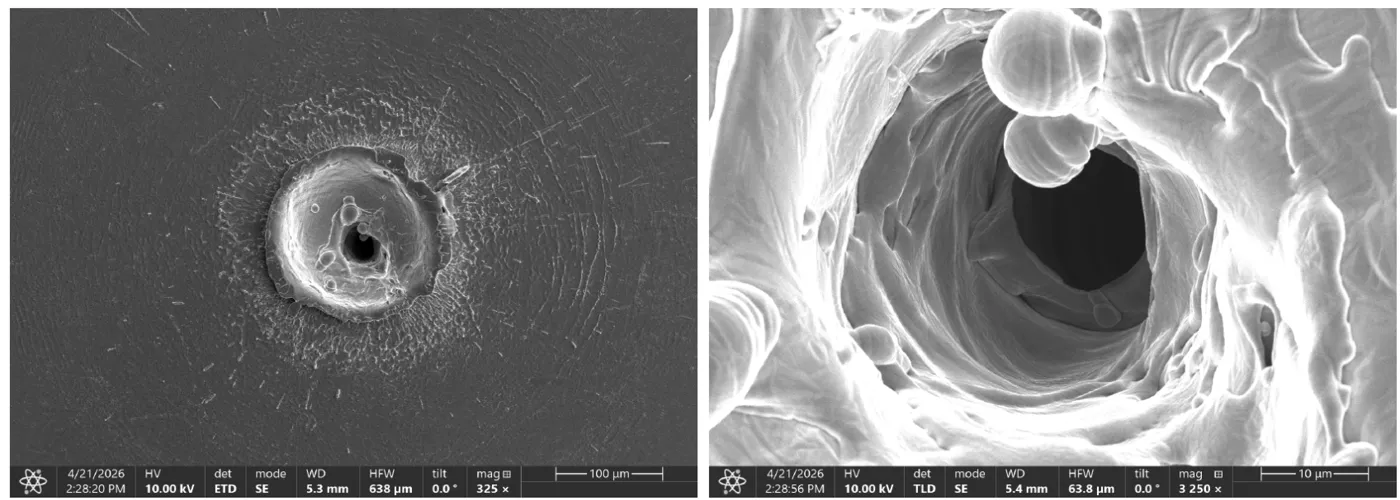
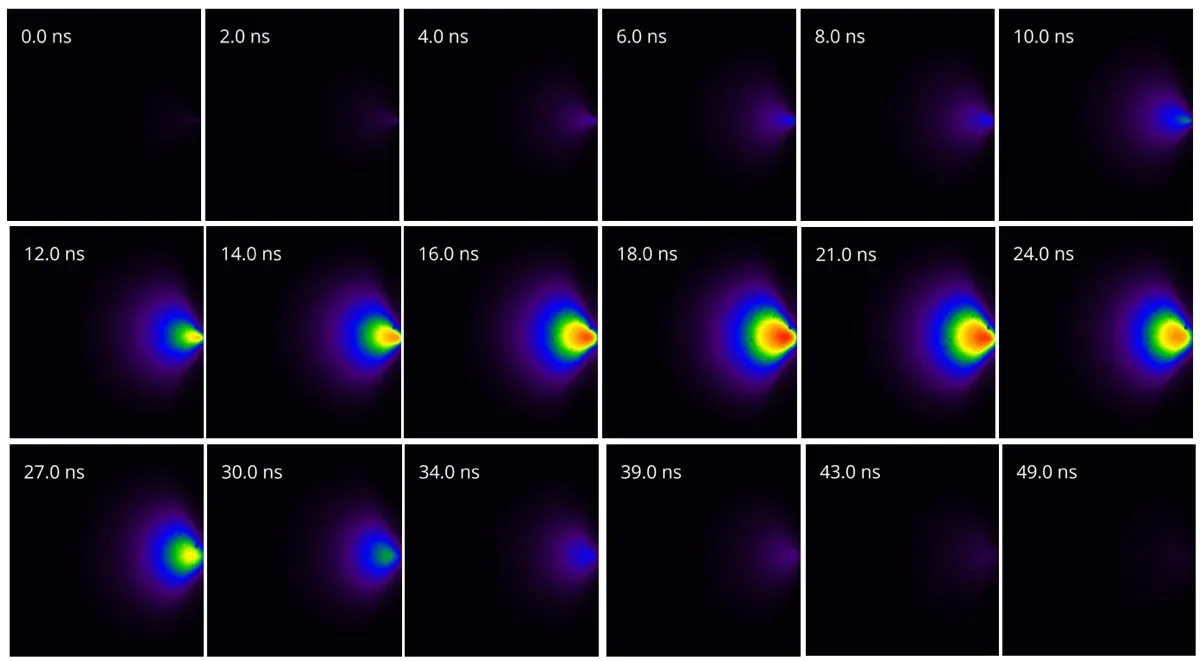
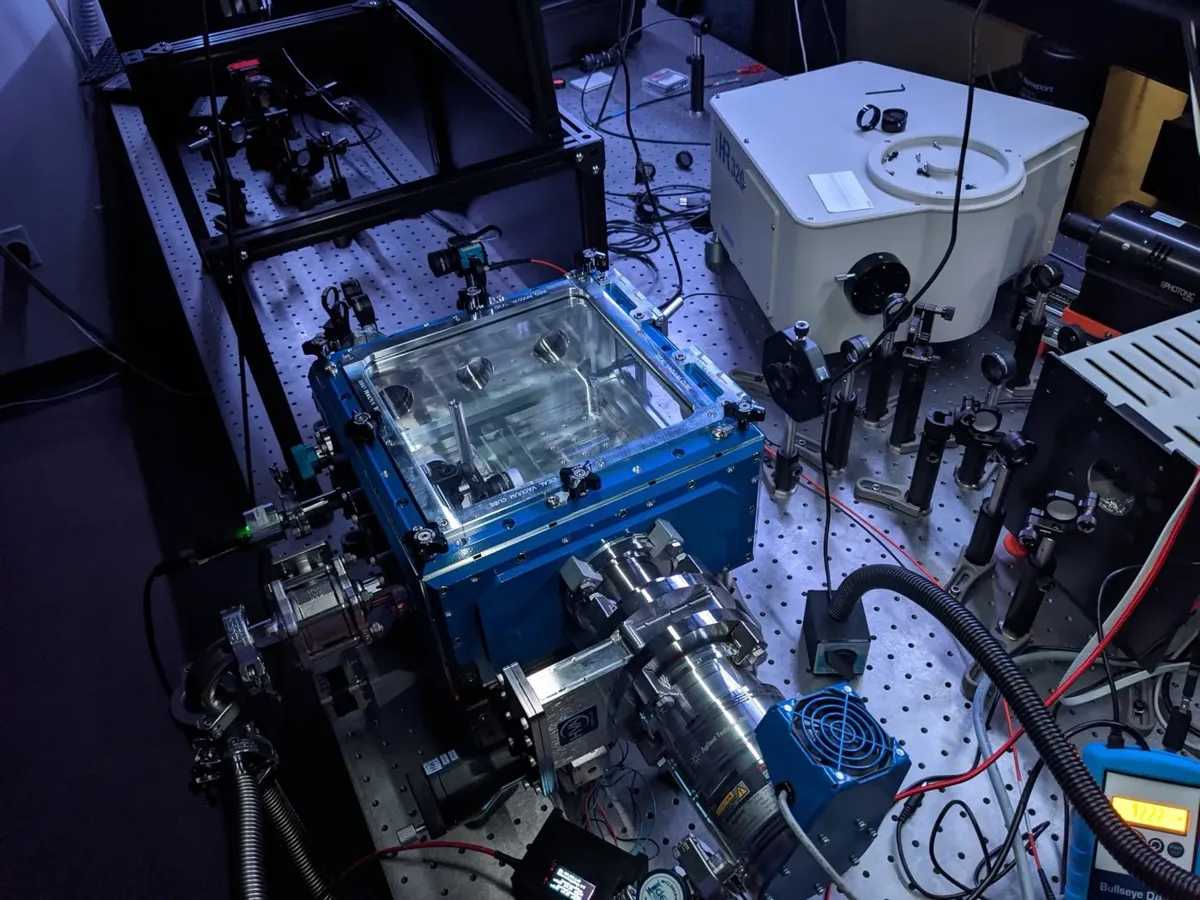
Laser ablation plumesLaser ablation experimental setupAblation experiment detail

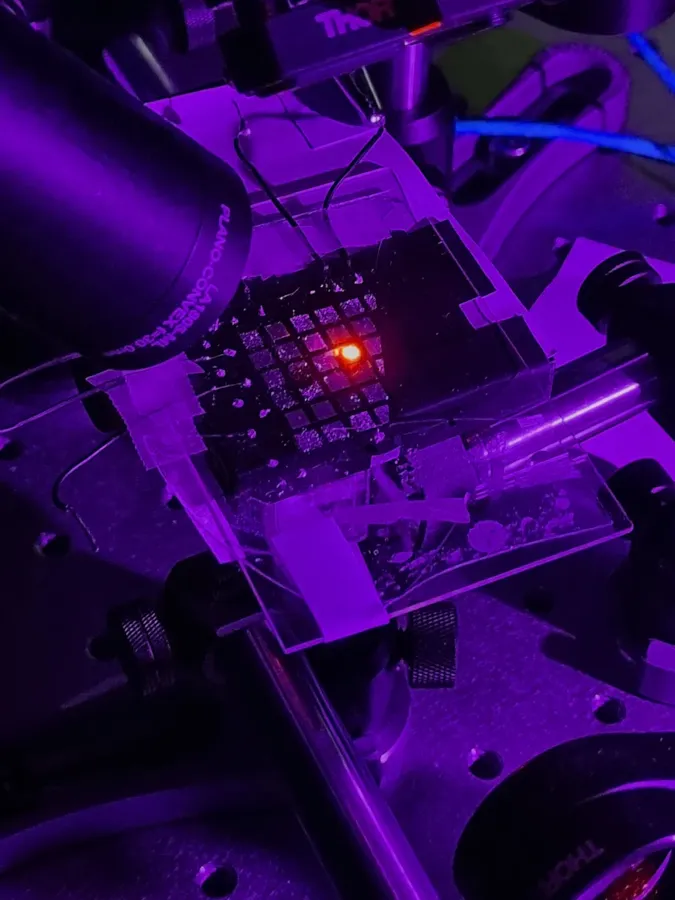
Understanding how light interacts with nanostructured materials under extreme conditions, with the aim of enabling new ways to control and utilize optical energy. The work explores nonlinear nanophotonics, where intense light fields drive materials beyond conventional regimes, allowing phenomena such as thermal tuning of optical responses and ultrafast modulation.

This includes laser ablation of structured targets, examining how nanoscale geometry influences energy deposition, material removal, and plasma formation. By linking these processes to broader high-energy physics, the research connects nanoscale light-matter interactions to applications such as laser-driven propulsion and advanced photonic technologies.

View related publications

Materials

Kirigami Actuators

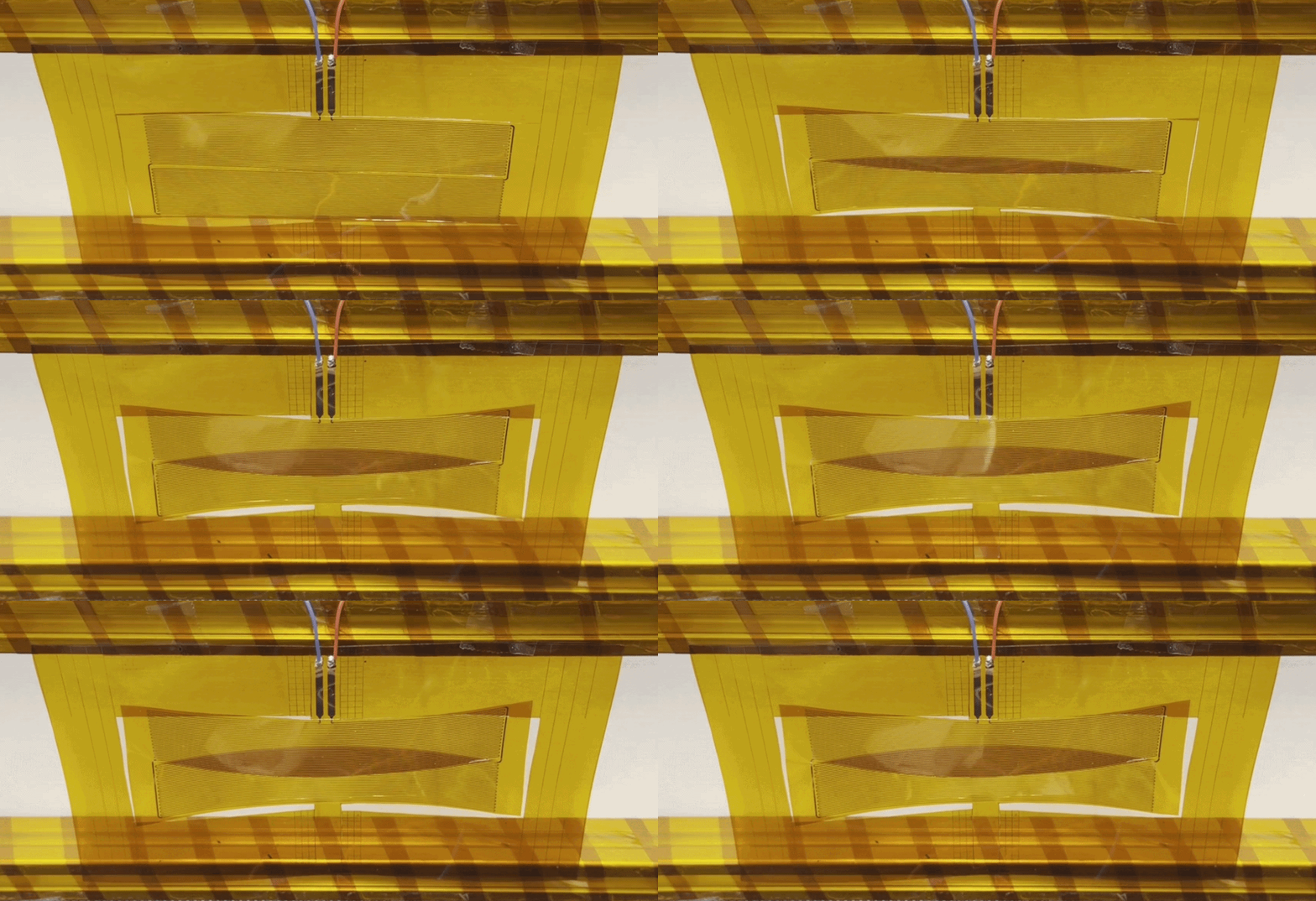
Animated kirigami actuator

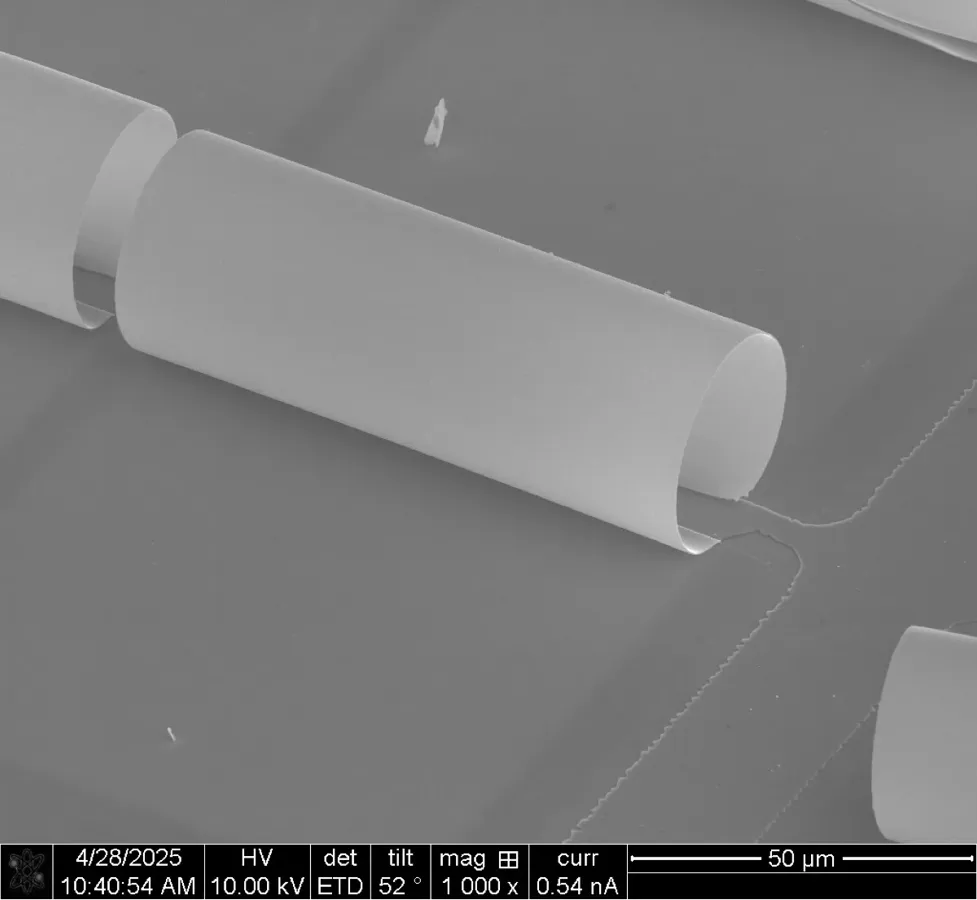
We investigate thin-film mechanics and their actuation methods, with a focus on developing kirigami and origami-based actuators for curvature control and morphing of thin sheets. We aim to achieve electrically controlled shape morphing and adaptive functionality.

Through this research, we seek to create low-mass, low-power, and highly adaptable technologies that enable next-generation spacecraft, deployable systems, and responsive engineered surfaces.

View related publications

Devices

MEMS Micro-Mirror Arrays

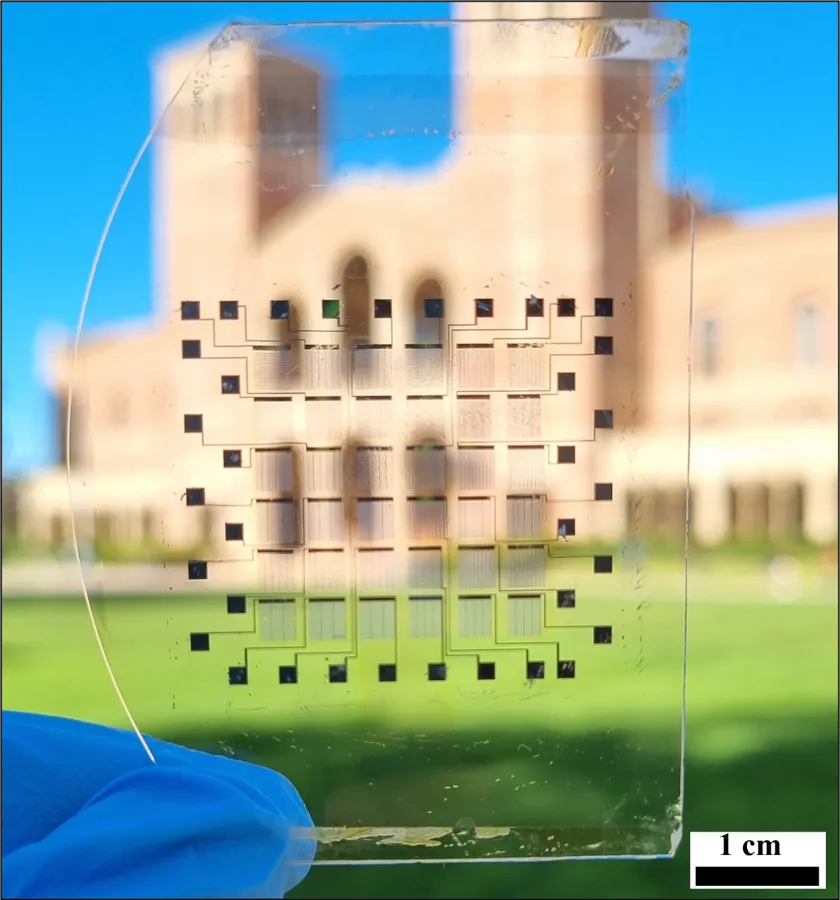
MEMS UCLA logo micro-mirrorMEMS micro-mirror photographMEMS meta-pixel close-upMEMS mirror array detailMEMS mirror array under microscope

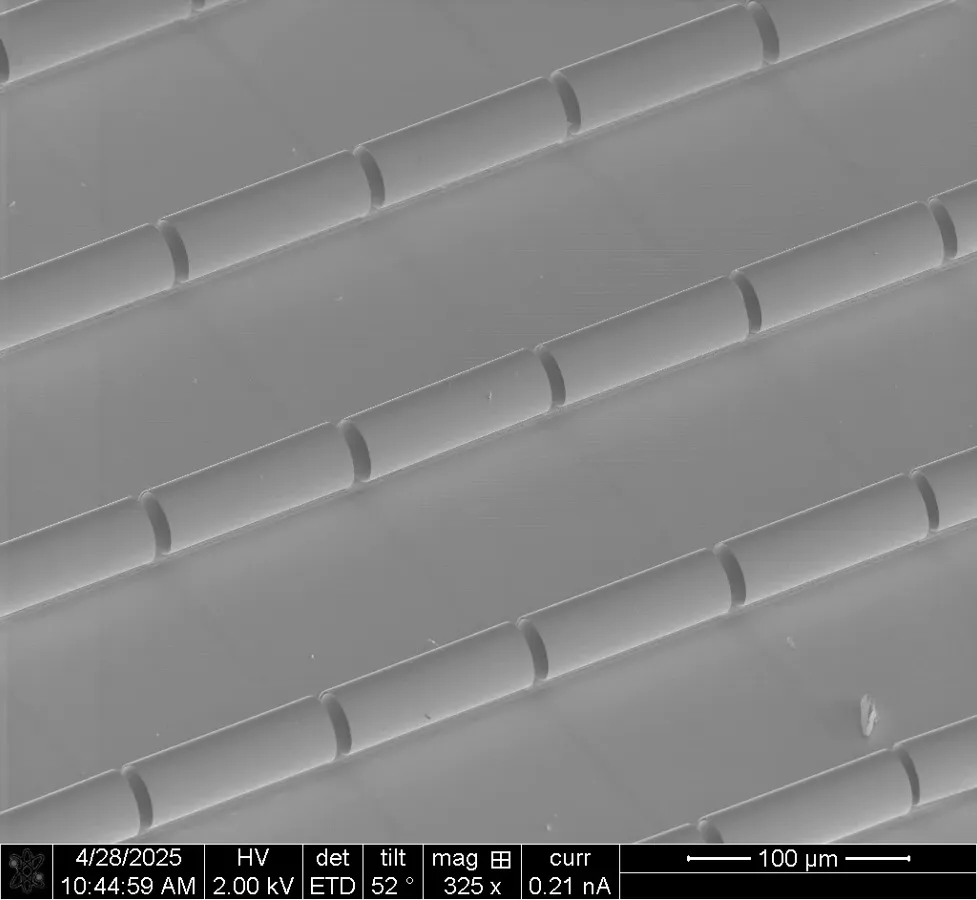
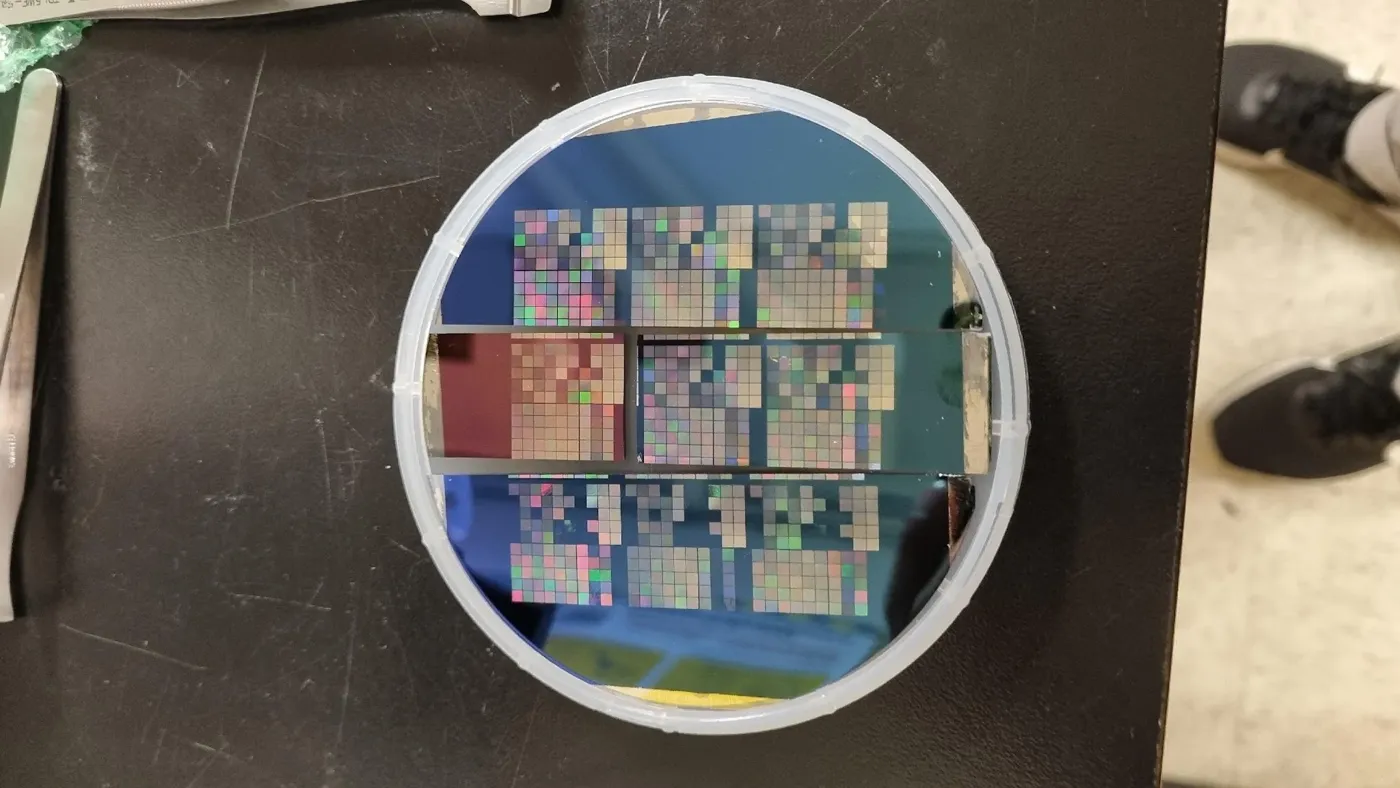
We design, fabricate, and experimentally study MEMS (Microelectromechanical Systems) mirror arrays. Our platform consists of centimeter-scale pixels composed of arrays of 100 µm micromirror blades. These pixels are electrostatically actuated in real time, enabling dynamic control of surface properties such as reflectivity and thermal emissivity.

We propose a broadband, fast-response architecture that enables an efficient transition between transparent and reflective states. This approach opens the door to a wide range of applications, from radiation pressure control in spacecraft to tunable emissivity coatings for urban environments and emerging climate challenges.

View related publications

Materials

Meta-Materials

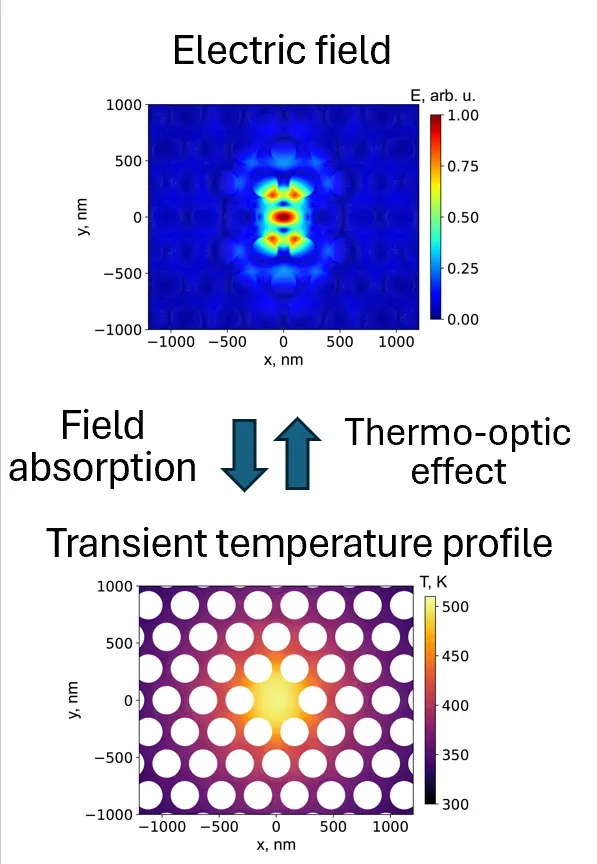
Metasurface designMetasurface characterizationThermo-optic simulation

We engineer metasurfaces and other 2D materials for various applications ranging from reflectivity control to selective spectral absorption. We have developed expertise in numerical design and characterization, micro and nano fabrication optimization under complex constraints, and tunability.

We explore the physics interface in multi-dynamics systems, such as plasma formation for fusion applications or integration on uncommon substrates.

View related publications